
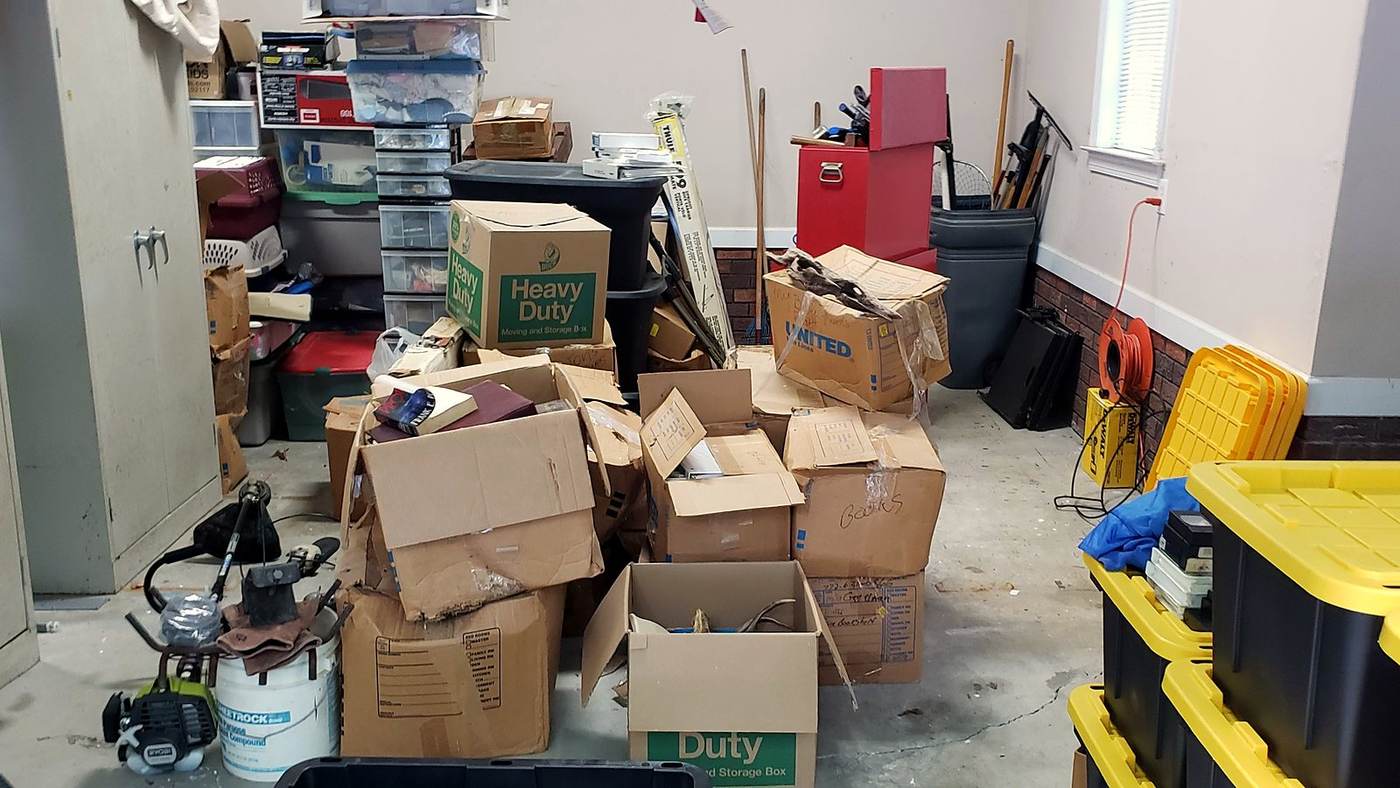
The estate settlement process has barely changed in a generation. Banking moved to our phones, tax returns moved online and medical records followed us between doctors. Yet when someone dies, their family still begins the same way families always have: opening drawers, searching boxes and calling institutions one at a time to find out what the person owned.
This is not because nobody cares. It is because the hardest part of settlement happens before any form is filed, and no system has been built to do that part in advance. This article explains what the estate settlement process actually involves, where it stalls, why the technology that transformed the rest of finance has mostly passed it by, and what modern infrastructure for it should look like.
What is the estate settlement process?
Estate settlement is the work of closing a person's financial life after death: finding and protecting what they owned, paying what they owed and passing the rest to the right people. With a will, the person doing it is usually called the executor. Without one, a court appoints an administrator.
Many states use the term personal representative for both.
Whatever the title, the job breaks down into a familiar sequence:
- Find the documents. The will, any trust, deeds, titles and insurance policies, wherever they were kept.
- Secure the property. Homes, vehicles, land and valuables, protected before anything goes missing.
- Notify everyone. Banks, insurers, employers, pension plans and government agencies.
- Track down accounts. Checking, savings, brokerage, retirement and digital accounts that nobody listed.
- Inventory belongings. Every room, outbuilding and box, counted and described.
- Value the estate. Appraisals for property, collectibles and household items, often from scratch.
- Pay debts and taxes. Bills, loans and final tax returns, settled before anything is shared.
- Distribute and close. Assets passed to the beneficiaries and the estate formally closed.
Steps seven and eight get most of the attention because they involve courts, accountants and checks. But steps one through six decide how long everything takes.
How long does it take to settle an estate?
Longer than most families expect. A survey of more than 1,200 US adults by EstateExec found that settling an estate takes almost 16 months on average, and about 80% of estates are settled within 18 months. The same research puts the executor's effort at roughly 570 hours, the equivalent of more than three months of full-time work, with an average of $12,400 spent on legal and accounting fees.
Those hours are rarely spent on legal questions. They are spent on discovery: finding out what exists, where it is and what it is worth. That is the part of the process still stuck on paper.
Where the process stalls
Discovery starts from zero
In most estates there is no single record of what the person owned. The executor reconstructs it from mail, old statements, tax returns and memory. Every account found raises the question of what else might be out there. About 1 in 7 Americans has unclaimed money or property, according to the National Association of Unclaimed Property Administrators, as reported by FOX 13. Some of that is the residue of estates where nobody knew where to look.
Institutions work one at a time
Each bank, insurer and agency has its own process, its own forms and its own proof requirements. A certified death certificate and proof of the executor's authority open most doors, but the executor still has to knock on each one separately, often by mail or phone, and wait.
Valuation happens after the fact
Courts and tax authorities generally want assets valued as of the date of death. When nobody has kept values current, the executor has to establish them from scratch: appraisals for real estate, statements for accounts and judgment calls for everything in the house.
Missing information breeds conflict
More than 44% of respondents in the EstateExec survey had experienced or seen family conflict over an estate. When heirs cannot see what exists, gaps in information are easily mistaken for something worse. Transparency is one of the best protections an executor has, and transparency is hard when the record does not exist.
Why hasn't technology fixed estate settlement?
There is no shortage of software in this space. The trouble is that each category solves one slice of the problem:
- Will and trust services record who should inherit, but do not list or value assets.
- Digital vaults store whatever documents someone remembers to upload.
- Account aggregators track financial accounts, but not land, vehicles, heirlooms or the contents of a house.
- After-death settlement services help the executor once the work has already landed on them.
Each of these has value. None of them finds, lists and values everything a family owns while the owner is still here to help. That gap is the reason families keep starting from scratch.
There is also a timing problem. Most settlement tools are designed for the year after a death, when the person with the answers is gone. By then the best they can do is make the search more efficient. They cannot replace the knowledge that died with the estate owner.
What modern estate settlement infrastructure looks like
If you were designing the system from scratch, you would not start with the executor. You would start with the owner, years earlier. Modern infrastructure for estate settlement would have five qualities:
- Built during life. The owner organizes, inventories and values the estate while they can still answer questions about it.
- Complete. It covers everything, from bank accounts to farm equipment, collectibles and digital accounts, not just the financial assets.
- Living. Values are kept up to date, so the record is current on the day it is needed rather than accurate on the day it was made.
- Linked to proof. Every asset points to the document that supports it, whether that document is scanned or filed in a drawer.
- Released at the right time. The executor, trustee or heirs gain access after defined events and verification, and not before.
Add one more quality and settlement changes character entirely: problems are flagged early. Missing documents, unclear ownership and beneficiary designations that contradict the will can be resolved while the owner is alive, instead of becoming disputes after they are gone.
This is the approach behind Estate Transformation. It does not replace a will, a trust or the professionals who prepare them. It handles the operational layer those documents were never designed to cover. You can see how it compares with every other path.
Why this matters now
The CDC recorded about 3.07 million deaths in 2024. At that pace, more than 15 million estates will open in the US between 2026 and 2030. Meanwhile, only 24% of Americans have a will, according to the Caring.com 2025 Wills and Estate Planning Study, and far fewer have an inventory. A process that costs 570 hours per estate does not scale to that volume without real strain on families.
CEO Michael Gegelman saw the cost firsthand. Settling his parents' estate in 2021 meant 18 months as personal representative and three and a half months just to locate roughly 2,000 pounds of documents. Nothing about that estate was unusual except its size. The work was the same work every family faces. It simply had nowhere to start.
If you are settling an estate now, our executor checklist for the first 90 days breaks the work into stages. If you are planning ahead, start with how to organize estate documents.
Frequently asked questions
Can an estate be settled without probate?
Sometimes. Assets with a named beneficiary, jointly owned property and assets held in a properly funded living trust can often pass outside probate. Rules vary by state, so an estate attorney is the right person to confirm what applies.
Who is responsible for settling an estate?
The executor named in the will, or an administrator appointed by the court if there is no will. Heirs often help, but the legal responsibility sits with the personal representative.
What is the hardest part of settling an estate?
For most families it is discovery: working out what the person owned, where it is and what it is worth. That is also the part that can be done in advance.
Move the work into your lifetime
The estate settlement process will always involve courts, forms and deadlines. It does not have to start with a search. Estate Transformation is in final build. Join the waitlist to be among the first families to use it.