
The problem
A will or trust says who gets what. It doesn’t locate, list or value a single asset. That work lands on the Personal Representative and the heirs, after the one person who knew the answers is gone.
$124T
expected to change hands in the US through 2048, the largest transfer in history
3.07M
Americans died in 2024. Every one left an estate for someone to settle.
76%
of Americans have no will, let alone an inventory of what they own
Sources: Cerulli Associates, December 2024. CDC National Center for Health Statistics, Mortality in the United States, 2024. Caring.com Wills and Estate Planning Study, 2025.
What happens without an inventory
When nothing has been organized, every step that follows is slower, costlier and more emotional than it needs to be.
Someone has to find the accounts, policies, deeds and documents before anything else can happen.
The Personal Representative and heirs organize, inventory and value assets themselves, often with competing interests.
Self-interest creeps in. Disagreements turn into damaged relationships that outlast the estate.
Slow, public and expensive. And the probate court does not organize the assets for you.
The cost of doing it afterwards
And there are more of them every year. At 2024’s pace alone, more than 30 million estates will open in the US between 2026 and 2035, as the largest generation in American history moves into its seventies and eighties.
16 months
average time to settle an estate
570 hours
of executor work per estate, on average. That’s more than three months of full-time work.
44%
have experienced or seen family conflict over an estate
1 in 7
Americans has unclaimed money or property waiting for them
Sources: EstateExec survey of 1,200+ US adults. National Association of Unclaimed Property Administrators, 2026. Estates projected by holding CDC’s 2024 death count steady for ten years.
What lands on the Personal Representative
Settling an estate is not one task. It is a long list of them, and every one is harder when nobody wrote anything down.
01
The will, the trust, the deeds, the titles and the policies, wherever they were kept.
02
Homes, vehicles, land and valuables, protected before anything goes missing.
03
Banks, insurers, employers, pension plans and government agencies, one call at a time.
04
Checking, savings, brokerage, retirement and digital accounts nobody listed.
05
Every room, every outbuilding and every box, counted and described.
06
Appraisals for property, collectibles and household items, often from scratch.
07
Bills, loans and final tax returns, settled before anything can be shared.
08
Assets passed to the right people, and the estate formally closed.
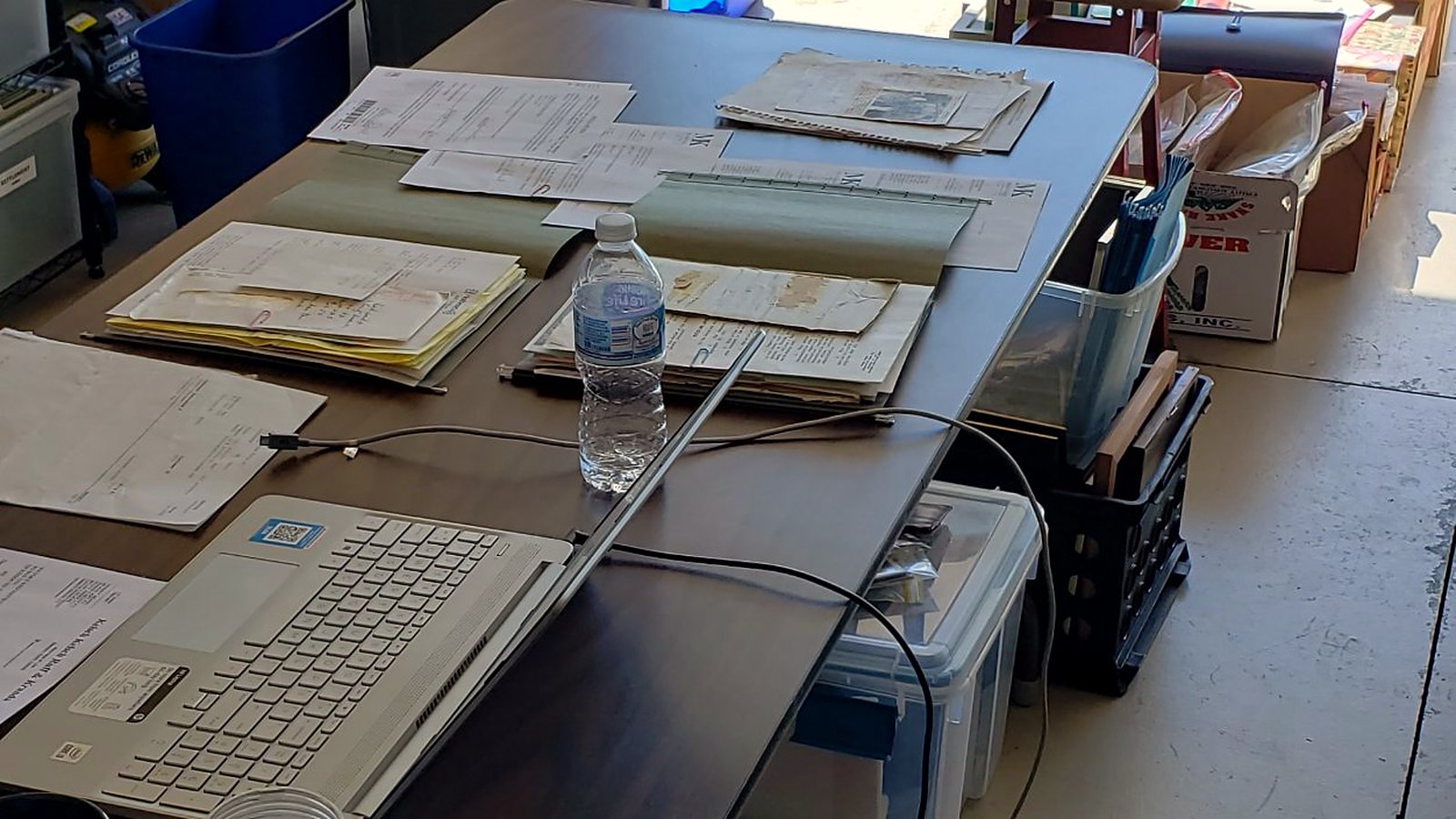
The person left holding it
It usually falls to family, often in the worst year of their life. They open the boxes because someone has to.

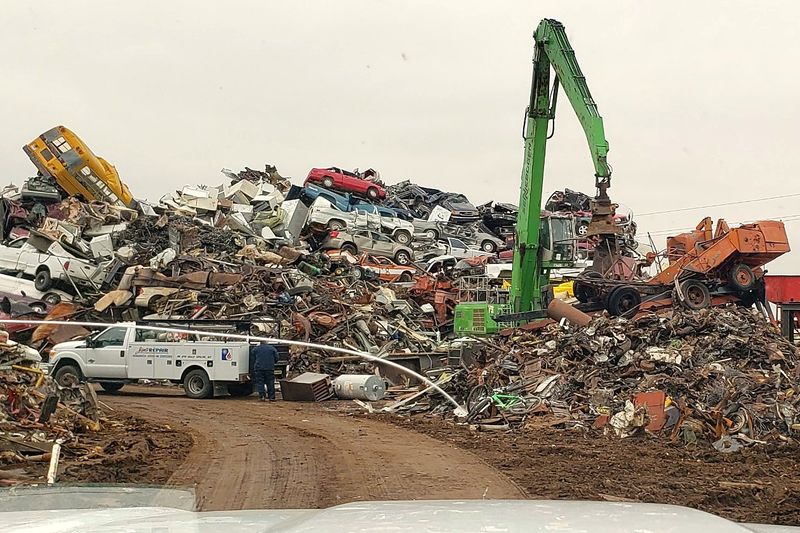


What gets left behind
Photographs without names. Accounts nobody knew existed. Equipment and heirlooms hauled away because no one could say what they were worth. Most families meet an estate this way: all at once, in the worst year of their lives, with no inventory to work from.
It happened to our founder
“I wasn’t looking at it as a financial advisor anymore. I was living it as the person responsible for settlement.”
CEO Michael J. Gegelman, on settling his parents’ estate in 2021
Same estate, two outcomes
Nothing about the assets changes. What changes is whether the people left behind start with a record or start with a search.
Without an inventory
Months spent searching drawers, inboxes and storage units.
Accounts and policies that nobody knew to claim.
Heirs arguing over what exists and what it is worth.
Probate slowed down by gaps in the record.
With Estate Transformation
One living record of what exists and where it is.
Values recorded during your lifetime and kept current.
Conflicts flagged and settled while you are here to answer.
Your Personal Representative starts on day one, not month six.
Afterwards
The fix
Organize it now. Inventory it now. Value it now. Then resolve conflicts while you’re here to answer the questions.