
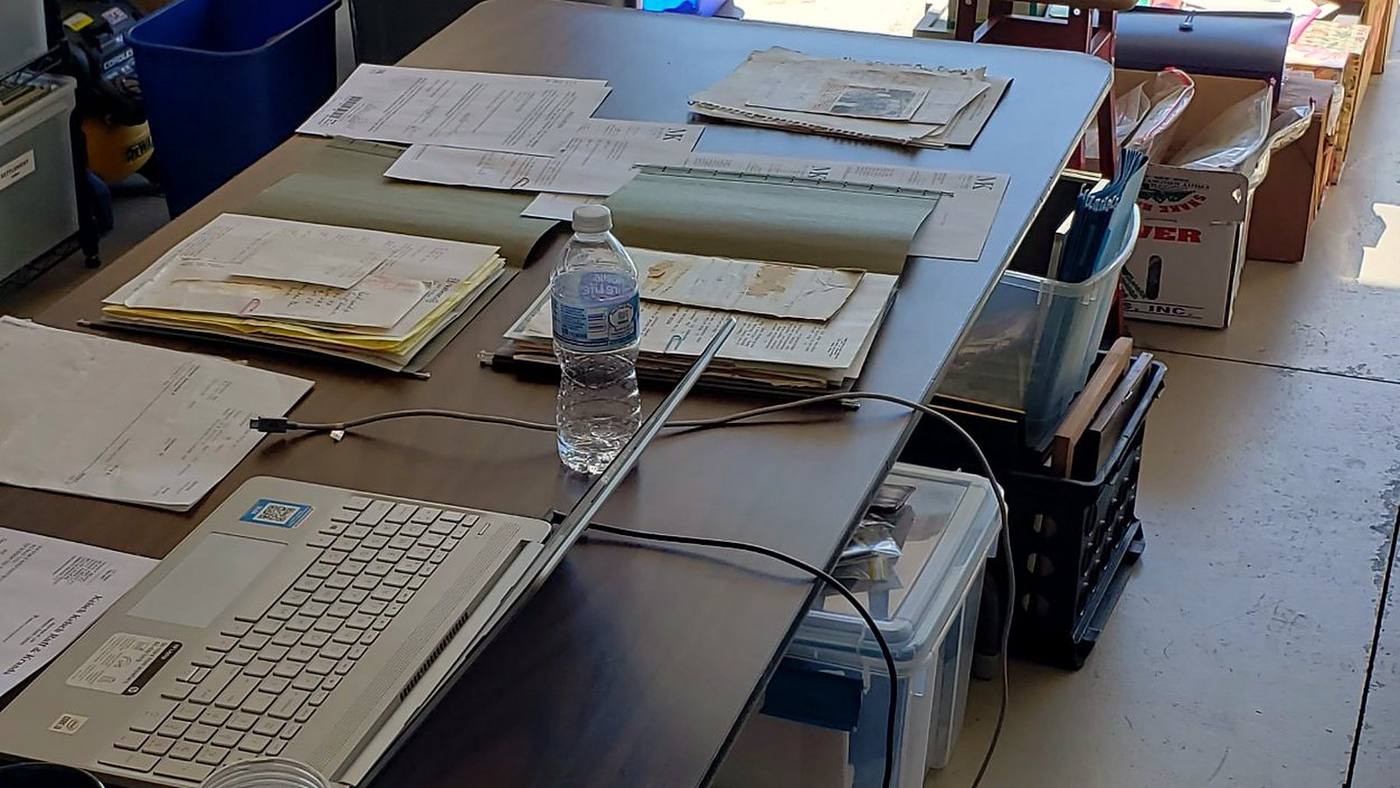
If you have just been named executor, this executor checklist is for you. It walks through the first 90 days after a death in the order most people need it: the first week, the first month and the stretch that follows. It will not replace an estate attorney, and deadlines vary from state to state, but it will help you see the whole job at once and take it one step at a time.
First, a word of reassurance. Nobody is expected to know how to do this. Most executors do it once in their lives, often while grieving a parent or spouse. Settling an estate takes almost 16 months and roughly 570 hours of the executor's time on average, according to a survey of more than 1,200 US adults by EstateExec. It is a marathon, and the early weeks set the pace.
What does an executor do?
An executor is the person legally responsible for settling an estate: finding and protecting what the person owned, paying what they owed and passing the rest to the people entitled to it. Many states call the role personal representative, or administrator when there is no will. The executor acts for the estate and its beneficiaries.
In practice that means keeping careful records and treating every beneficiary fairly.
The first week: stabilize
The first days are about care and protection, not paperwork. Take what you need for yourself and your family, then focus on a few essentials.
- Get the legal pronouncement of death. This is the first step toward a death certificate. A hospital, hospice or attending physician usually handles it.
- Look for funeral wishes. Check for a prepaid plan or written instructions before making arrangements.
- Secure the home and vehicles. Lock up, collect keys and make sure valuables are safe. If the home will be empty, tell the insurer.
- Care for dependents and pets. Make sure anyone who relied on the person is looked after.
- Manage the mail. Mail is one of the best clues to what accounts exist. Note that the US Postal Service generally asks for proof of your authority as executor, not just a death certificate, before forwarding it.
- Order death certificates. AARP suggests getting 10 or more certified copies. Banks, insurers and agencies will each want one.
Weeks two to four: find the will and open the estate
Once the immediate pressure eases, the legal work begins.
Locate the will and other planning documents
Check the desk, filing cabinets, safe and safe deposit box, and contact the attorney who prepared any estate plan. Look for a trust, powers of attorney and any letter of instruction. If you cannot find a will, an estate attorney can help you work out what state law requires instead.
Choose an estate attorney
Not every estate needs extensive legal help, but almost every executor benefits from an early conversation. An attorney will explain your state's deadlines, whether probate is required and which assets pass outside it.
Petition the court
In most estates that go through probate, the executor files the will with the local probate court and asks to be formally appointed. The court then issues a document proving your authority, often called letters testamentary or letters of administration. Institutions will ask for it before they release information or assets.
Set up the estate's finances
Your attorney or accountant will usually recommend getting a tax identification number for the estate and opening an estate bank account. Running every payment and deposit through that account keeps estate money separate from your own, which protects you and makes the final accounting far easier.
Notify the people and institutions who need to know
- Close family members and beneficiaries
- The Social Security Administration and any pension or benefits providers
- Employers, for final pay and any death benefits
- Banks, brokerages and insurers
- Credit bureaus, to reduce the risk of identity theft
- Utilities, subscriptions and memberships
Days 30 to 90: map the estate
This is where most of the executor's hours go. The aim is to build a complete picture of the estate: every asset, every debt and what each is worth.
Separate probate and non-probate assets
Some assets pass directly to a named beneficiary or co-owner and never go through probate. Life insurance, retirement accounts with designated beneficiaries, payable-on-death and transfer-on-death accounts, jointly owned property and assets held in a living trust often fall into this group. Knowing which is which tells you what the court will expect you to report.
Build the inventory
Many states require the executor to file an inventory of probate assets with the court within a set period after appointment. Virginia, for example, generally expects it within four months, and its court instructions say assets should be valued at fair market value as of the date of death. Ask your attorney for your state's rules. Our guide to creating an estate inventory covers what to include and how to value it.
Notify creditors and gather bills
Most states have a formal process for notifying creditors, sometimes including a published notice, and a window during which they can make claims. Collect every bill and statement, but do not pay debts from your own pocket or rush to pay claims before you understand the estate as a whole. Your attorney can advise on the order in which debts must be paid.
Keep beneficiaries informed
Silence breeds suspicion. In the EstateExec survey, more than 44% of respondents had experienced or seen family conflict over an estate, and 19% were aware of perceived executor misconduct. Short, regular updates and good records go a long way to keeping trust intact.
A one-page executor checklist
- Obtain the pronouncement of death and 10 or more certified death certificates.
- Secure the home, vehicles, valuables and mail.
- Find the will, any trust and other planning documents.
- Speak with an estate attorney about your state's requirements.
- File the will and petition to be appointed, if probate is needed.
- Get a tax ID for the estate and open an estate bank account.
- Notify family, agencies, employers and financial institutions.
- Identify probate and non-probate assets.
- Build and value the inventory, and file it if your state requires.
- Notify creditors and keep every receipt and record.
Frequently asked questions
What should an executor do first?
Secure the property, order death certificates and find the will. Legal steps can wait a few days. Protecting the home and the person's valuables cannot.
How long does an executor have to settle an estate?
There is rarely a single deadline. States set specific windows for steps such as filing an inventory or paying creditors, and expect the estate to be settled within a reasonable time. On average it takes about 16 months.
Can an executor be held personally liable?
Yes, in some circumstances, for example if estate assets are mismanaged or distributed before valid debts are paid. Keeping estate funds separate, documenting decisions and taking professional advice are the best protections.
The checklist you can give your own family
Almost every hard step on this list is a search for information the person who died already had. That is the problem estate settlement keeps running into, and it is why CEO Michael Gegelman built Estate Transformation after 18 months as personal representative of his own parents' estate. It lets you organize, inventory and value everything during your lifetime, so the person who settles your estate starts with a record instead of a search. To prepare your own family, start with our list of the information to leave for your executor and our guide to getting your affairs in order.
Estate Transformation is in final build. Join the waitlist and we'll contact you first when it opens.
This article is general information, not legal advice. Probate rules and deadlines vary by state. Speak with an estate attorney about your situation.